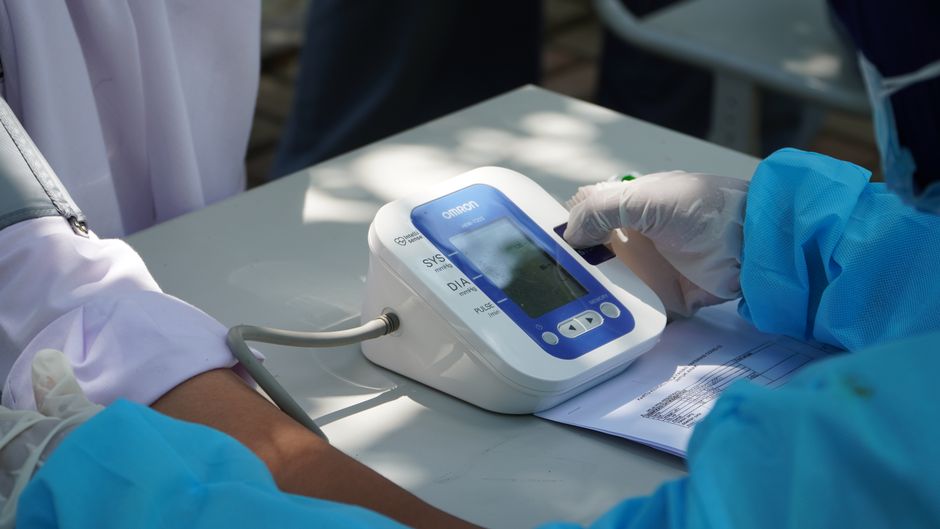
Blood pressure readings fluctuate naturally throughout the day in response to physical activity, stress, caffeine intake, and posture. To obtain reliable measurements, individuals must follow standardized measurement protocols, use validated devices, and maintain consistent recording habits over time.
핵심 요약
- Blood pressure naturally varies throughout the day depending on activity, stress, and posture.
- Standardized positioning, including a supported back and arm at heart level, is essential for accuracy.
- Home monitoring requires validated upper-arm cuff devices rather than wrist or finger monitors.
- Consistent record-keeping helps healthcare providers identify true patterns rather than temporary spikes.
Why Blood Pressure Fluctuates
Cardiovascular pressure is not a static number; it is a dynamic measurement that adapts to the body's immediate physiological demands. Physical exertion, emotional stress, temperature changes, and digestion can cause blood pressure to rise temporarily. Even the act of speaking or having a full bladder can introduce minor variations into a reading.
Understanding this variability prevents unnecessary anxiety when a single reading appears higher than expected. Clinicians evaluate cardiovascular health based on long-term trends and averaged measurements gathered under standardized conditions rather than isolated readings taken during moments of transient stress or physical activity.
Standardized Measurement Protocol
To minimize variability and ensure consistency, specific protocols should be observed before and during every measurement session. Adhering to these steps helps eliminate common technical errors that distort readings.
- Rest quietly in a seated position with back support and feet flat on the floor for at least five minutes before starting.
- Ensure the bare arm is supported on a flat surface, such as a table, with the middle of the cuff positioned at heart level.
- Avoid caffeine, exercise, and tobacco use for at least thirty minutes prior to taking a measurement.
- Empty the bladder before sitting down, as a full bladder can elevate systolic readings.
- Remain silent and still while the device is actively inflating and deflating the cuff.
Choosing and Maintaining a Home Monitor
Selecting the appropriate equipment is fundamental for reliable self-monitoring. Automatic upper-arm cuff monitors are generally recommended over wrist or finger devices because wrist and finger arteries are smaller and more sensitive to physical positioning.
Comparison of Blood Pressure Monitor Types
| Device Type |
Placement |
Reliability Factor |
| Upper-Arm Cuff |
Bicep area |
High accuracy when properly sized |
| Wrist Monitor |
Wrist joint |
Sensitive to arm height and movement |
| Finger Monitor |
Finger |
Not generally recommended for clinical tracking |
Furthermore, cuff size matters significantly. A cuff that is too small for the arm can produce falsely elevated readings, while an oversized cuff may yield artificially low results. Regular calibration checks against clinic equipment can help ensure ongoing device accuracy.
Establishing a Consistent Schedule
Random spot checks provide limited insight into overall cardiovascular status. Establishing a routine schedule yields more meaningful data for clinical review.
Many practitioners suggest taking readings twice daily: once in the morning before eating or taking morning medications, and once in the evening. Taking duplicate measurements spaced one minute apart during each session and recording both numbers provides a reliable average for that time point.
Actionable Checklist for Home Tracking
Use the following checklist to maintain reliable home blood pressure records:
- [ ] Use a validated upper-arm device with the correct cuff size for your arm circumference.
- [ ] Rest in a chair with back support for five minutes before measuring.
- [ ] Keep feet flat on the floor and avoid crossing your legs.
- [ ] Position the arm firmly at heart level on a stable surface.
- [ ] Record the date, time, pulse rate, and both systolic and diastolic numbers immediately.
Interpreting Readings and White-Coat Effects
Environmental factors can strongly influence measurements. The phenomenon known as white-coat effect occurs when an individual experiences temporary anxiety in a medical setting, leading to elevated readings that do not reflect their daily baseline. Conversely, masked hypertension describes normal readings in the clinic combined with elevated pressures during daily routines.
Home logs help bridge this gap by offering clinicians a broader view of blood pressure behavior outside of clinical offices.
자주 묻는 질문
Why do my morning and evening readings differ?
Natural circadian rhythms, daily stress levels, and activities cause blood pressure to vary throughout the day.
Is a single high reading a cause for immediate alarm?
Isolated high readings are common due to temporary factors like stress or caffeine; trends over time matter more than single numbers.
How often should home monitors be checked for accuracy?
Bringing your home device to a routine clinic visit to compare its readings with professional equipment is a reliable way to check calibration.
확인할 사항
For official guidelines on cardiovascular health and blood pressure measurement standards, consult resources provided by organizations such as the World Health Organization, the American Heart Association, or your national health ministry.
Disclaimer: This article is for informational purposes only and does not constitute medical advice. Always consult a qualified healthcare professional regarding any health concerns or diagnostic interpretations.